A Step-by-Step Guide to Effective Incident Response Planning


Understanding Incident Response Planning
In today's digital landscape, organizations are increasingly vulnerable to a wide array of cyber threats. Having a robust incident response plan is critical to mitigating potential damage and ensuring business continuity. An effective incident response plan outlines the steps an organization should take to detect, respond to, and recover from security incidents.

Building Your Incident Response Team
The first step in creating an effective incident response plan is to assemble a dedicated incident response team. This team should consist of experts from various departments such as IT, legal, human resources, and communications. Each member should have a clearly defined role and responsibilities within the team.
It's important to provide ongoing training and simulations to ensure that the team can effectively handle a real incident. By regularly testing the team's skills and knowledge, you can identify areas for improvement and ensure that everyone is prepared for any eventuality.
Identifying Potential Threats
Once your team is in place, the next step is to identify potential threats that could impact your organization. This involves conducting a comprehensive risk assessment to understand the types of incidents your organization might face, such as data breaches, malware attacks, or insider threats.
Conducting a Risk Assessment
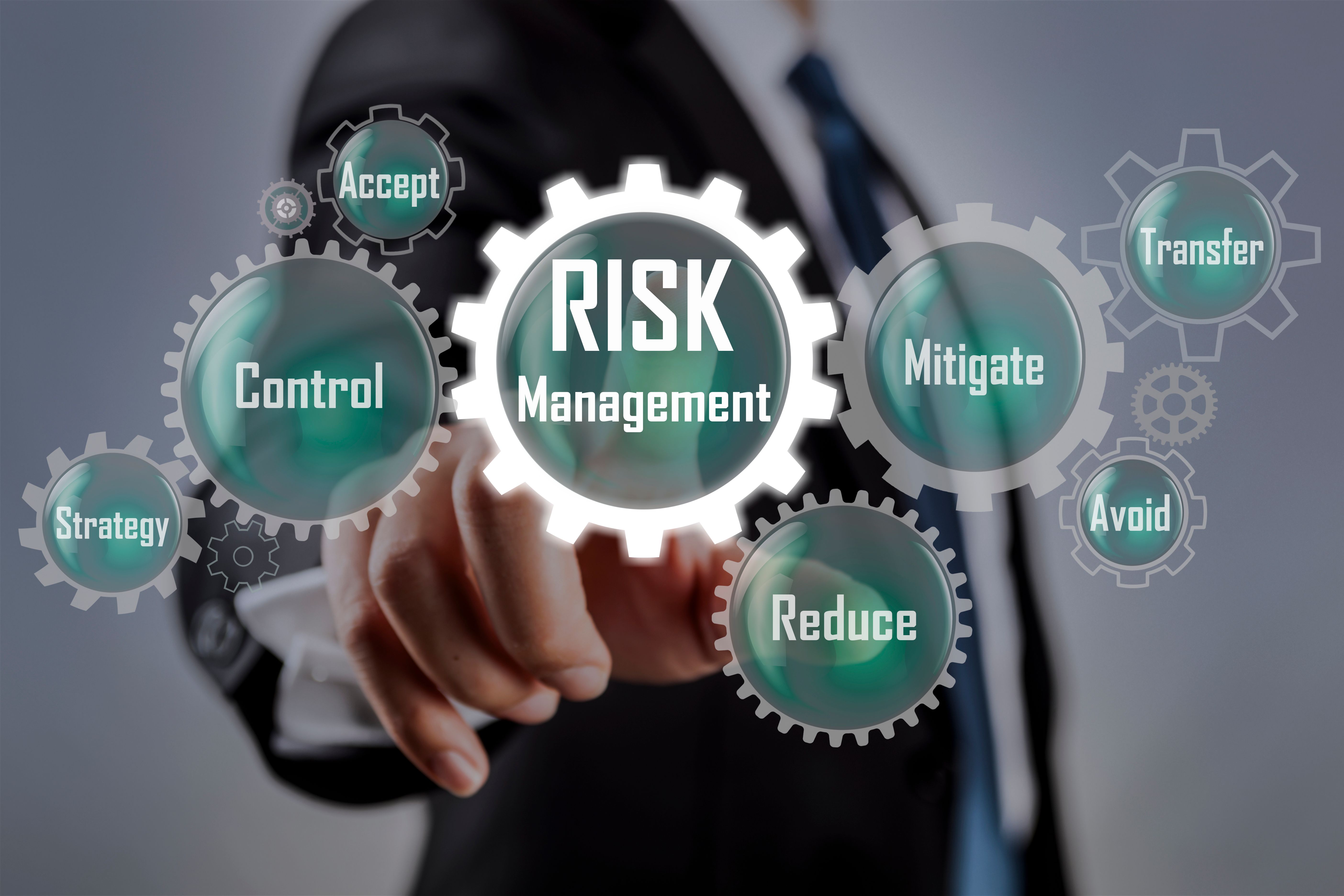
A thorough risk assessment helps prioritize risks based on their likelihood and potential impact. This process involves evaluating your organization's assets, vulnerabilities, and existing security measures. By understanding the risk landscape, you can develop targeted strategies to address the most pressing threats.
Developing Response Procedures
With a clear understanding of potential threats, you can begin developing specific response procedures. These procedures should include detailed instructions for detecting, containing, eradicating, and recovering from incidents. It's crucial to document each step clearly to ensure consistency and efficiency during an actual incident.
Response procedures should also include communication plans for notifying stakeholders, such as customers, partners, and regulatory bodies, about the incident. Having predefined templates and channels for communication can help ensure timely and accurate information dissemination.

Testing and Refining the Plan
Regular testing is essential to ensure that your incident response plan remains effective over time. This involves conducting various exercises such as tabletop simulations and full-scale drills to evaluate the plan's effectiveness. Testing helps identify gaps or weaknesses in the plan that need addressing.
Continuous Improvement
Incident response planning is not a one-time activity. It's important to regularly review and update the plan based on changes in the threat landscape, technological advancements, and lessons learned from past incidents. Encouraging feedback from team members can also uncover new insights and improvement opportunities.
By prioritizing continuous improvement, your organization can maintain a proactive stance against emerging threats and enhance its overall security posture.
Conclusion
An effective incident response plan is a critical component of any organization's cybersecurity strategy. By understanding the key steps involved in incident response planning—building a team, identifying threats, developing procedures, testing the plan, and focusing on continuous improvement—you can better protect your organization from potential cyber threats.